![[logo] DiagNation Combo Responsive](https://diagnation.com/wp-content/uploads/logoDiagNationTM_Combo.svg)
Winter Doesn’t Create Problems—It Reveals Them
Cold weather has a way of exposing weak links in vehicles. Batteries that barely survived summer heat suddenly fail overnight. Starters that sounded fine in October struggle when temperatures drop. Charging systems that looked “good enough” on a warm day can’t keep up once winter hits.
For technicians and shop owners, this season brings a familiar wave of no‑start complaints, slow cranks, and frustrated customers who just want answers quickly. The key to staying ahead isn’t working harder. It’s diagnosing smarter.
That’s where winter battery no‑start diagnostics become critical. When done correctly, they reduce guesswork, cut bay time, and help your shop deliver confident answers even on the coldest mornings.
Why Winter No‑Start Problems Eat Up Shop Time
Cold temperatures slow chemical reactions inside batteries. Engine oil thickens. Electrical resistance increases. A marginal component that worked fine in warm weather can suddenly fail under load.
The challenge isn’t identifying that a car won’t start. The challenge is identifying why, without swapping parts or chasing symptoms.
Common winter pain points include:
- Batteries with reduced cold cranking capacity
- High starter current draw caused by internal resistance
- Poor charging system recovery after short winter drives
- Corroded or loose connections that worsen in the cold
Without a structured approach to winter battery no‑start diagnostics, these issues turn into long diagnostic sessions, repeat visits, and lost trust.
Step One: Start With Battery Health, Not Just Voltage
Voltage alone doesn’t tell the full story, especially in winter. A battery can show 12.6 volts and still fail under load when temperatures drop.
This is where professional battery testers make the difference. Modern conductance testers measure internal resistance and available cold cranking amps, giving you a clear picture of real battery health.
In winter battery no‑start diagnostics, battery testing should always come before jump starts or part replacement. A weak battery can mimic starter or alternator failures, sending diagnostics in the wrong direction.
Pro insight: Test the battery both cold and after charging. A battery that “passes” warm but fails cold is living on borrowed time.
Step Two: Use Current Probes to See What the Starter Is Really Doing
When a vehicle cranks slowly or intermittently, the starter often takes the blame. But guessing costs time.
Current probes paired with a lab scope allow you to see starter draw in real time. Excessive amperage points to mechanical drag or internal starter failure. Low current with slow cranking may indicate a voltage drop elsewhere in the circuit.
This step is often skipped, yet it’s one of the fastest ways to confirm or eliminate the starter during winter battery no‑start diagnostics.
Instead of removing parts, you’re reading data.
Step Three: Voltage Drop Testing in the Cold
Cold weather magnifies resistance. Connections that barely passed during the summer can fail dramatically in winter.
Voltage drop testing across:
- Battery cables
- Grounds
- Starter circuits
…should be standard practice during winter battery no‑start diagnostics.
Use your scope or DMM while the circuit is under load. A clean-looking cable doesn’t guarantee low resistance. Data does.
Step Four: Charging Systems Matter More in Winter Than Any Other Season
Short trips, heated seats, defrosters, and blower motors place a heavy load on charging systems during winter. Many no‑start issues trace back to batteries that never fully recharge.
A charging system that performs marginally at idle may not recharge a battery after repeated cold starts.
In winter battery no‑start diagnostics, always verify:
- Alternator output under load
- Battery recharge time
- Parasitic draw during overnight cold soak
Ignoring the charging system leads to repeated failures and unhappy customers.
Step Five: Thermal Imaging for the Fastest Visual Clues
Thermal imaging is one of the most underused tools in winter diagnostics. Resistance creates heat. Heat shows up instantly on a thermal camera.
Loose connections, failing cables, and internal battery issues often reveal themselves as unexpected hot spots during cranking or charging.
In advanced winter battery no‑start diagnostics, thermal imaging can save hours by directing you exactly where to test next.
Real‑World Diagnostic Case Studies
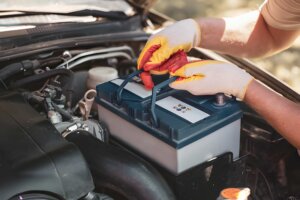
Case Study 1: The “Bad Starter” That Wasn’t
A late‑model SUV arrived with slow crank complaints on cold mornings. Battery tested “good” with a basic tester. The starter was suspected.
Using a current probe showed a normal starter draw but excessive voltage drop on the ground side. Thermal imaging revealed heat at a corroded chassis ground. Repairing the ground resolved the issue immediately.
This is why structured winter battery no‑start diagnostics beat assumptions every time.
Case Study 2: Repeat Battery Failure Solved
A fleet vehicle went through two batteries in one winter. Battery testing confirmed failures, but the real issue was that the charging system never fully recovered the battery during short routes.
Scope testing revealed low alternator output at idle with accessories on. Correcting the charging issue stopped the battery replacements.
Why Faster Diagnostics Protect Your Shop’s Reputation
Customers don’t mind paying for diagnostics. They mind paying twice.
A clean diagnostic process:
- Reduces comebacks
- Builds confidence
- Position your shop as the expert
When winter battery no‑start diagnostics are handled correctly, customers feel informed, not sold.
Tools That Make Winter Diagnostics Easier
Shops that handle winter efficiently rely on:
- Professional battery testers for accurate CCA analysis
- Current probes and lab scopes for starters and charging insight
- Thermal imaging tools for fast visual confirmation
DiagNation supports shops with the right tools and real‑world training so diagnostics stay profitable, not frustrating. You can explore professional diagnostic equipment options directly through our tools and equipment section at
👉 https://diagnation.com/shop
FAQs: Winter No‑Start Diagnostics
Q: Can a battery test good and still fail in winter?
Yes. Cold temperatures reduce capacity. That’s why load and conductance testing are critical.
Q: Should I always replace the battery first?
No. In winter battery no‑start diagnostics, replacing parts before testing often leads to repeat failures.
Q: How long should a charging system take to recover a cold battery?
That depends on vehicle load and alternator output. Measuring recovery time provides clarity.
Preparing Your Team for Winter Success
Consistent winter diagnostics require training, not just tools. Shops that invest in diagnostic education see faster fixes and fewer mistakes.
DiagNation offers hands‑on study groups and real‑world training designed specifically for modern electrical and no‑start challenges. Learn more about our training and memberships here:
👉 https://diagnation.com/memberships
Winter Is Predictable—If You’re Prepared
Winter doesn’t have to slow your shop down. With a clear process, the right tools, and confidence in your data, winter battery no‑start diagnostics become routine instead of reactive.
The faster you diagnose, the faster customers get back on the road—and the stronger your reputation becomes.
Ready to Diagnose Smarter This Winter?
If your shop is seeing more no‑start issues as temperatures drop, now is the time to tighten your diagnostic process.
Explore professional diagnostic tools, battery testing solutions, and training designed for real winter challenges at:
👉 https://diagnation.com/contact
Let’s make this winter about accurate answers, faster fixes, and confident diagnostics.