![[logo] DiagNation Combo Responsive](https://diagnation.com/wp-content/uploads/logoDiagNationTM_Combo.svg)
The days of basic code readers and guesswork are over. If you want your shop to keep up with today’s complex vehicles and tomorrow’s demands, planning an auto repair shop diagnostic equipment upgrade in 2026 isn’t optional—it’s essential.
From EVs to ADAS-equipped cars, your customers are driving smarter vehicles. It’s time your tools caught up.
The Problem with Outdated Tools
You can’t fix modern cars with outdated tech. Period.
When you rely on limited tools like handheld OBD-II scanners or entry-level code readers, you risk:
- Slower diagnosis times
- Inaccurate assessments
- Lower customer confidence
- More comebacks
- Frustrated technicians
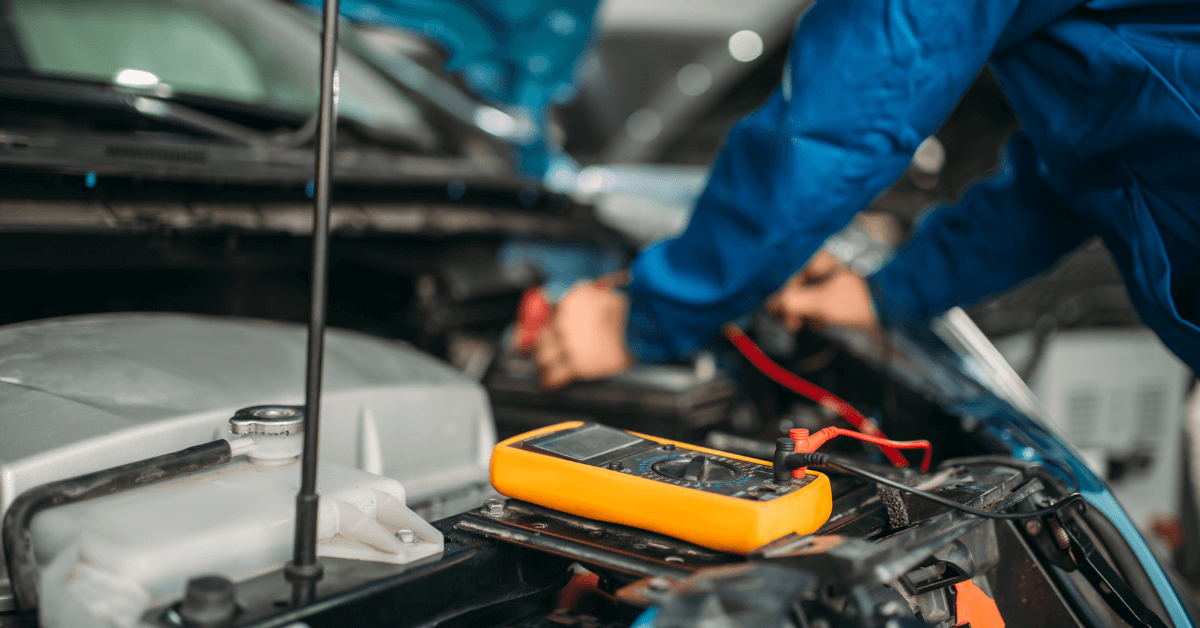
An auto repair shop diagnostic equipment upgrade in 2026 isn’t just about tools—it’s about transforming your workflow, accuracy, and shop culture.
The Tools You Should Upgrade in 2026
Let’s break down what your shop should invest in next year to stay ahead.
- Professional Scan Tools for Auto Repair
Forget the $50 gadgets. You need professional-grade diagnostic systems that offer:
- Full-system scans (engine, transmission, ABS, SRS, body control modules, etc.)
- Live-data streaming
- Bi-directional controls
- ECU programming and adaptation
- Cloud updates and wireless capability
A solid scan tool improves shop efficiency and diagnostic accuracy, reducing guesswork and helping techs move from issue to resolution faster.
- Advanced Automotive Diagnostics Tools
2026 isn’t about just plugging in and reading codes. Your diagnostic strategy should expand with tools like:
- Digital oscilloscopes for testing waveforms and sensors
- Battery testers with Bluetooth integration
- EV system analyzers for hybrid diagnostics
- TPMS tools with real-time learning modules
This is the heart of a modern auto repair shop diagnostic equipment upgrade 2026. These tools work together to give your techs a full picture, fast.
- OBD-II Scanners and Full System Diagnosis
While OBD-II scanners remain foundational, 2026 calls for multi-functional platforms that go far beyond code reading. Look for units with:
- OEM-level data
- Module-specific diagnostics
- Guided component testing
- Repair instruction overlays
The best diagnostic equipment for mechanics combines speed, scope, and usability.
- Thermal Imaging and Multimeter Diagnostics
Don’t underestimate these two:
- Thermal imaging cameras detect heat patterns, helping techs spot failing components without disassembly.
- Digital multimeters are more accurate than ever, offering auto-ranging, min/max recording, and data hold features.
Together, they sharpen troubleshooting and save hours in labor.
- ADAS Calibration and Diagnostic Readiness
Advanced Driver Assistance Systems (ADAS) are no longer exclusive to luxury models. Your shop should be able to calibrate:
- Lane departure systems
- Adaptive cruise control
- Blind spot sensors
- Collision avoidance tech
ADAS is highly sensitive. Calibrating incorrectly could compromise vehicle safety and your liability. It’s a key part of any serious auto repair shop’s diagnostic equipment upgrade in 2026.
- Modern Vehicle Diagnostics for Hybrid and EV
Hybrids and EVs bring unique demands. You’ll need:
- High-voltage safety testers
- Battery conditioning systems
- EV drive system analyzers
- Thermal management system testers
This isn’t just about compliance, it’s about survival in a rapidly evolving auto landscape.
Upgrading Smart: Tips Before You Buy
- Audit your current tools: What’s outdated? What’s underutilized?
- Choose based on workflow: Prioritize what speeds up your bottlenecks.
- Invest in training: The best tools fail without proper use.
- Look for integration: Software and hardware should work seamlessly.
- Use vendor support: Brands like DiagNation offer top-tier tools and help you use them better.
This isn’t a one-size-fits-all decision. Your upgrade path should reflect your shop size, tech skills, and customer vehicle base.
Frequently Asked Questions
Q: Do I need to buy everything at once?
No. Start with foundational upgrades like scan tools and multimeters, then expand into ADAS and EV equipment as demand grows.
Q: What’s the ROI on this upgrade?
Faster diagnostics, more accurate fixes, and expanded service capabilities = more revenue, less waste, and happier customers.
Q: Can remote diagnostics help my team?
Absolutely. Partnering with teams like DiagNation gives your techs expert backup and real-time support when they need it most.
Final Thoughts: Don’t Fall Behind in 2026
An auto repair shop’s diagnostic equipment upgrade in 2026 isn’t just about staying current; it’s about leading the pack. In a competitive market, your diagnostic game is your brand reputation.
Whether you’re scaling up or just getting smarter, this is your chance to elevate your workflow, your accuracy, and your future.
Ready to level up your diagnostic capabilities?
Explore expert-approved tools and on-the-job diagnostic support at DiagNation. They don’t just sell tools—they make sure you know how to use them.
Let 2026 be the year your shop runs smarter, not harder.